
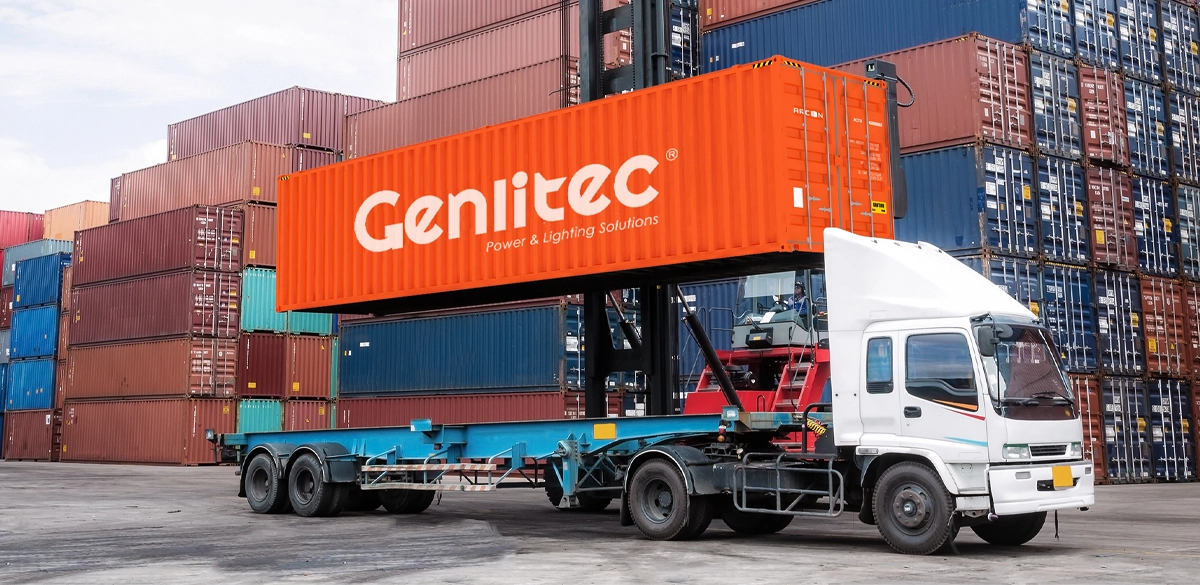
How GENLITEC POWER Loads Generators and Lighting Towers into Containers
For GENLITEC POWER, container loading is more than simply putting equipment into a container. It is an important part of every export order, and we plan it carefully with our customers' costs and transportation safety in mind.
After receiving an order, our team reviews the products, quantities, dimensions and loading requirements before the container arrives at our factory. We then prepare a practical loading plan based on the actual equipment.
One of the main questions we ask is simple: How can we safely load more equipment into the same container? With international shipping costs being an important part of the total cost of an export order, efficient container loading can make a real difference to our customers.
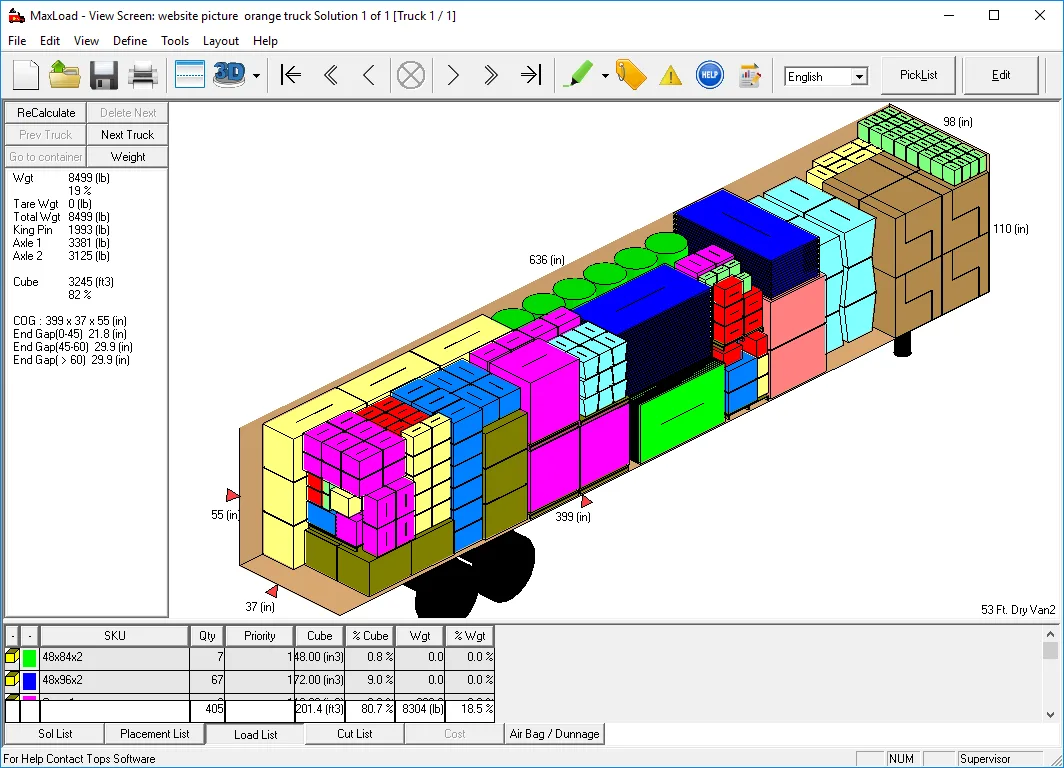
1. We Plan the Container Before We Load ItOnce an order is confirmed, we do not wait until the container arrives to decide where everything should go. Our team prepares the loading arrangement in advance. For full-container orders, we use container loading software to simulate different loading arrangements. This allows us to see how different generator sets, lighting towers and their components can be positioned inside the container. We consider product dimensions, quantities, equipment weight, container dimensions and the space needed for securing the equipment. |
|
|
2. Making the Most of Every ContainerShipping costs can be a major part of the total cost when importing heavy equipment. In many cases, ocean freight is charged by the container rather than by the individual machine. If valuable space is left unused, customers may need an additional container for equipment that could otherwise have been shipped together. This is why container loading is something we take seriously. Before loading, we compare different arrangements and select the one that provides a practical balance between space utilization and safe transportation. When more equipment can be safely loaded into the same container, the transportation cost can be spread across more units, helping reduce the average shipping cost per machine. |
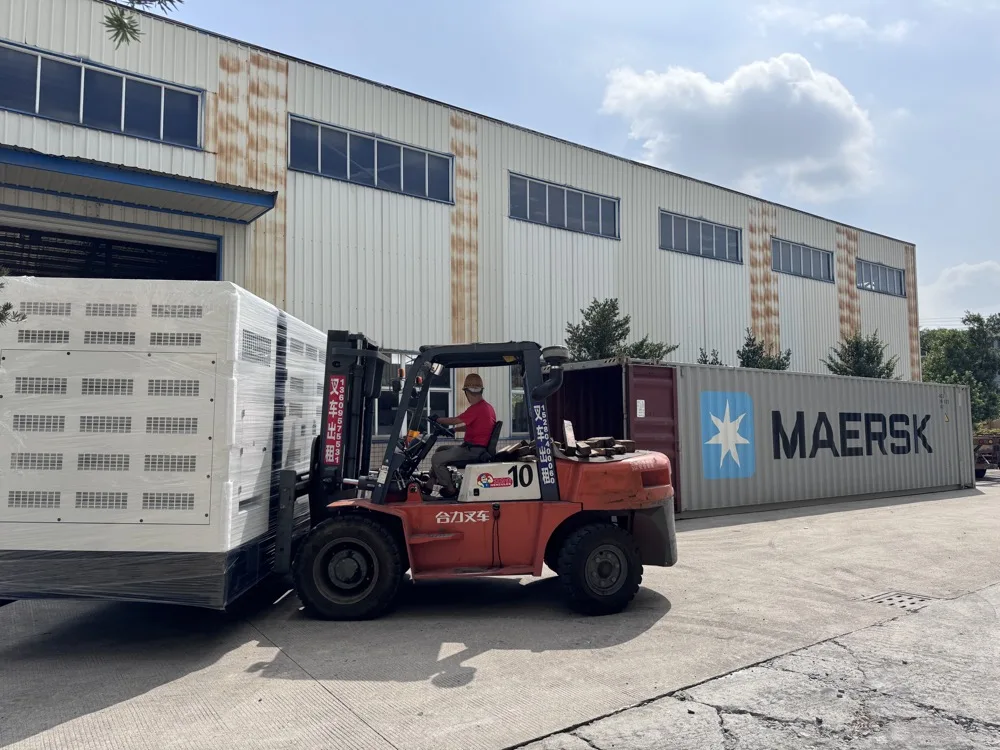
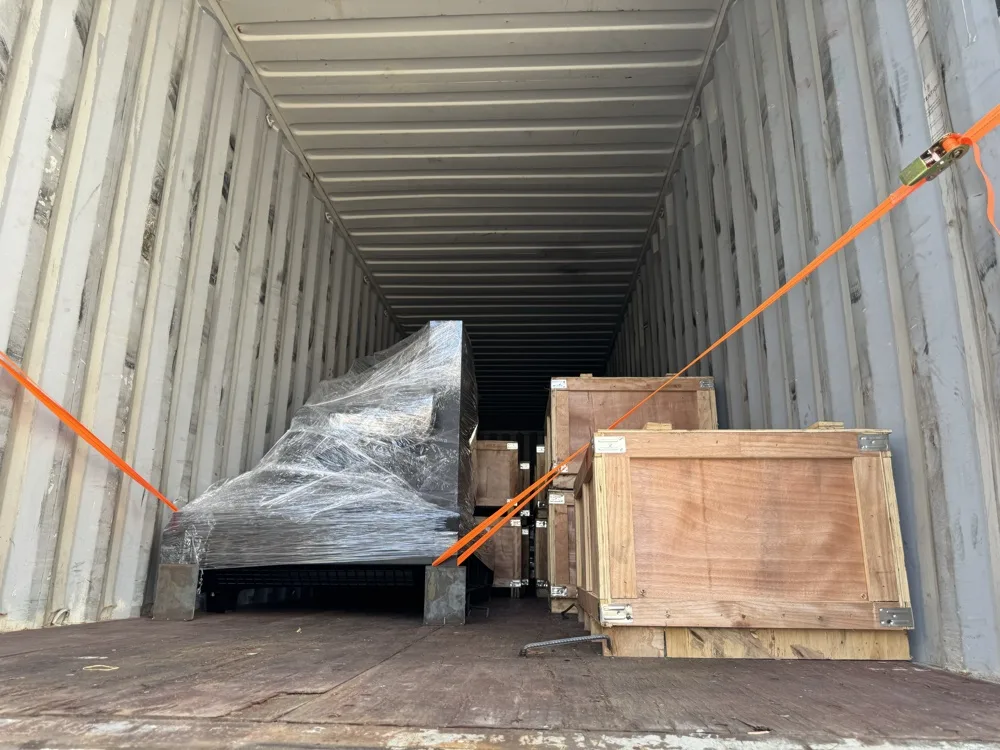
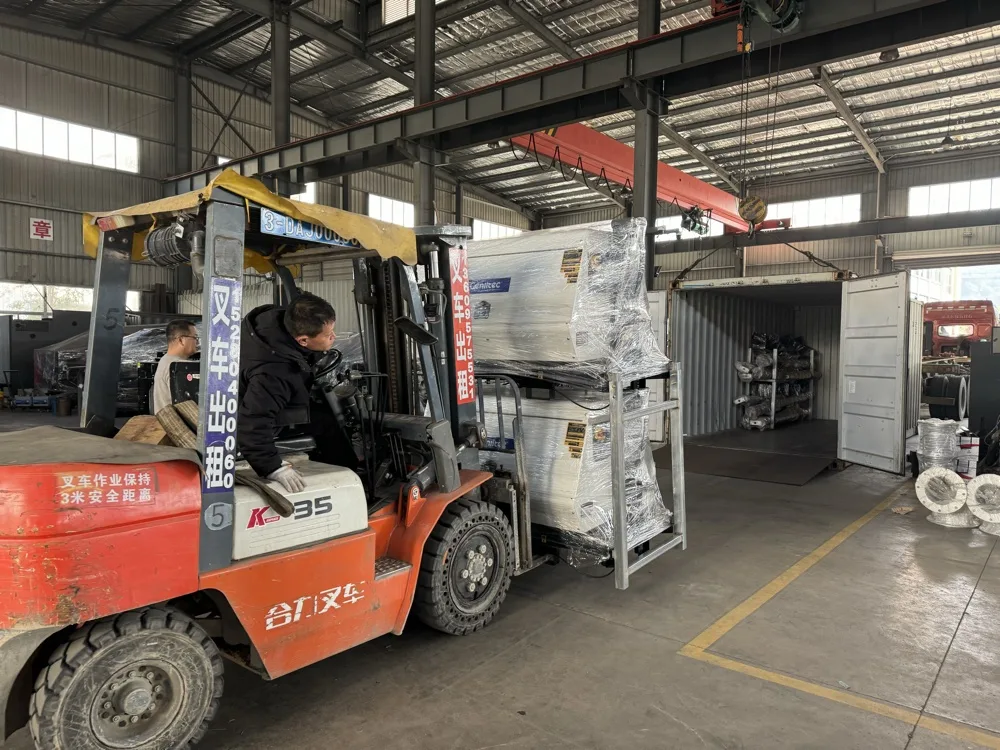
3. Generator Set Loading and ProtectionOnce the loading plan is confirmed, the generator sets are prepared for loading. We normally use stretch film to protect the equipment and add protective strips to exposed corners and edges. These measures help reduce the risk of scratches and minor impact damage during loading, handling and transportation. After the generator sets are positioned inside the container, we use reinforcement straps and other appropriate methods to keep the equipment stable. For some equipment, steel securing feet may also be used to reinforce the generator set base and fix it more firmly to the container floor. |
|
|
4. Why Lighting Towers Need a Different Loading MethodMobile lighting towers are different from generator sets when it comes to container loading. The main challenge is the height and length of the light mast. If a lighting tower is loaded in its complete assembled condition, the mast and other components can take up valuable container space. To make better use of the container, lighting towers are normally partially disassembled before loading. Depending on the model and loading plan, the following components may be removed:
|
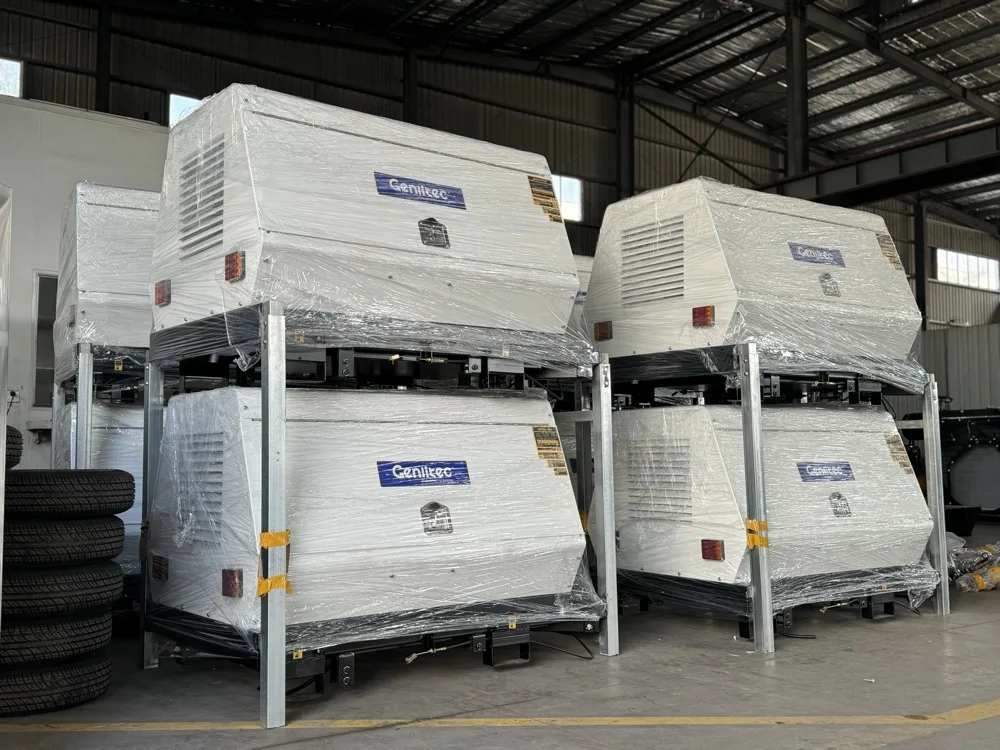
5. Special Steel Tube Frame Supports for Lighting Tower ComponentsAfter the lighting tower components are removed, they need to be properly organized and protected. Simply placing loose components inside the container is not an ideal solution. Our factory uses specially designed steel tube frame supports to organize and secure the removed components during transportation. Depending on the order quantity and container type, we may use a two-layer packing method, with two lighting towers packed together as one package to maximize container space. |
|
|
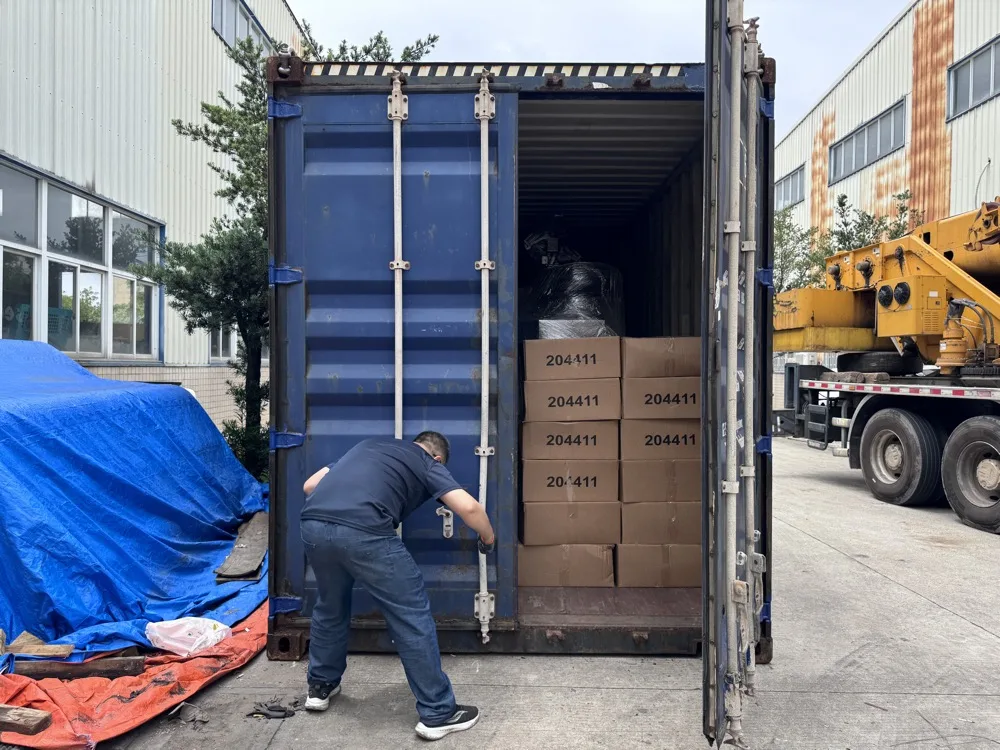
6. Securing the Equipment Inside the ContainerAfter the lighting towers and their components are loaded into the container, we carry out the necessary securing work. We normally use reinforcement straps to secure the equipment and components inside the container. Where necessary, additional steel reinforcement is used according to the actual loading conditions. The purpose is straightforward: the equipment should remain stable during transportation and the components should stay in their intended positions. |
7. Final Check Before the Container Leaves Our Factory
Before the container is sealed, our team checks the loading arrangement one more time.
|
○ Equipment positioning ○ Securing points and reinforcement ○ Protection of equipment corners and surfaces ○ Stability of the loaded equipment |
○ Arrangement of lighting tower components ○ Overall container space utilization ○ Container number and seal number confirmation ○ Photo records of the final loading condition |
Once everything is confirmed, the container is sealed, the container and seal numbers are recorded, and photos are taken for shipment records.
Every Container Is Planned With the Customer in Mind
For us, container loading is not just the final step before shipment. It is part of how we help our customers control the overall cost of purchasing and importing equipment.
We know that international shipping is expensive, especially when transporting large and heavy equipment. A well-planned container can make better use of the available space, allow more equipment to be shipped together and potentially reduce the transportation cost per unit.
At the same time, saving space is never the only objective. Equipment must be properly protected, positioned and secured so that it can arrive at the destination in good condition.
That is why every GENLITEC POWER container loading plan is prepared according to the actual order, the actual equipment and the actual transportation requirements.
Post time: Aug-28-2026