
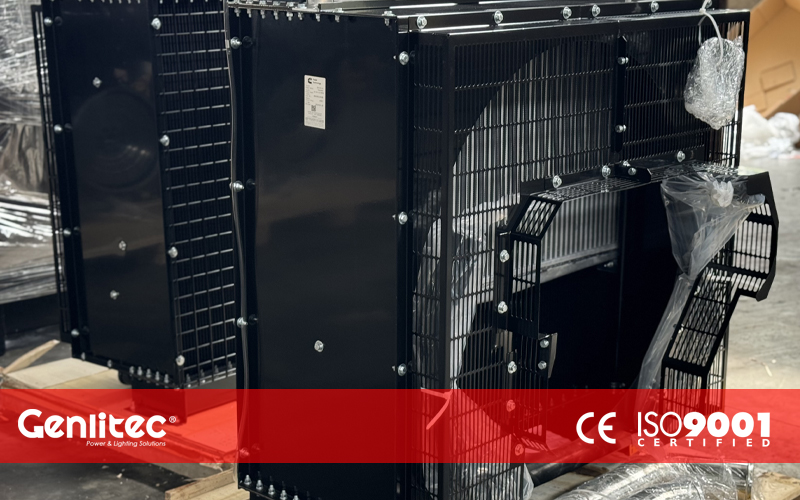
A high coolant temperature is a common warning sign of a diesel engine cooling problem. If the engine continues to operate at excessive temperature, the coolant may boil, engine power may decrease, and lubricating oil viscosity may fall. Prolonged overheating can also increase engine wear and, in severe cases, cause cylinder or cylinder-head gasket damage.
The following are common causes of high diesel engine temperature and the recommended measures to help prevent overheating.
Common Causes of High Diesel Engine Temperature
1. Long-Term Overload Operation
Operating a diesel generator continuously above its rated load increases fuel consumption and engine heat load, which can cause coolant temperature to rise. Avoid prolonged overload operation and ensure that the generator is properly sized for the connected load.
2. Insufficient Coolant
Check the coolant level in the radiator and expansion tank before operation. If the coolant level is too low, heat transfer and circulation may be affected, resulting in higher engine temperature. Refill the cooling system with the recommended coolant when necessary.
3. Poor Heat Dissipation from an Auxiliary Radiator
In some applications, a hydraulic oil radiator and the engine water radiator are installed in tandem. If the hydraulic oil temperature becomes excessive, the air entering the engine radiator may already be hot, reducing the radiator's cooling efficiency. Check the hydraulic cooling system and ensure that it does not unnecessarily restrict airflow or reduce engine radiator performance.
4. Loose or Damaged Fan Belt
A loose fan belt can reduce fan speed and airflow through the radiator, while a damaged or deformed fan may also reduce cooling performance. Check the fan belt tension and inspect the fan for damage or deformation. Replace defective components when necessary.
5. Dirty or Blocked Radiator
Dust, dirt, debris, and other contaminants on the radiator surface can restrict airflow and reduce the effective cooling area. This is particularly common in construction, mining, and other dusty environments. Clean the radiator regularly and keep the air passages free from blockage.
6. Thermostat or Water Pump Problems
A thermostat that does not open correctly can restrict coolant circulation through the main cooling circuit. A poorly performing water pump can also reduce coolant flow and cause the engine to overheat. Inspect the thermostat and water pump if the cooling system is not operating normally.
For troubleshooting, the thermostat should be checked according to the engine manufacturer's specified opening temperature and test procedure rather than relying on a general opening distance.
7. Scale or Contamination Inside the Cooling System
Scale and deposits inside the radiator or cooling passages can reduce heat transfer and restrict coolant flow. The temperature difference between the upper and lower radiator tanks can provide useful diagnostic information, but the acceptable range depends on the engine and cooling system design.
Use the coolant specified by the engine manufacturer and maintain the cooling system according to the recommended service schedule. Avoid low-quality coolant that may accelerate scale formation or corrosion.
How to Prevent Diesel Generator Overheating
- Avoid prolonged operation above the generator's rated load.
- Check the coolant level before starting the generator.
- Keep the radiator core and airflow passages clean.
- Inspect the fan, fan belt, thermostat, and water pump regularly.
- Check for coolant leaks and damaged hoses or connections.
- Use the coolant specified by the engine manufacturer.
- Maintain adequate ventilation around the generator set.
- Follow the engine manufacturer's recommended maintenance schedule.
Conclusion
High engine temperature should not be ignored. Checking the load, coolant level, radiator, fan system, thermostat, water pump, and cooling system condition can help identify overheating problems before they cause serious engine damage. For specific inspection and repair procedures, always follow the engine manufacturer's service instructions.
Post time: Jul-05-2024