
Why a New Diesel Generator May Fail to Start
A new diesel generator may occasionally experience starting difficulties during its first operation. One common cause is air trapped in the fuel system, which can prevent the fuel injection system from receiving a continuous supply of diesel.
This can occur after manufacturing, transportation, installation, fuel system maintenance, or when the fuel lines have not been fully primed before the initial start.
Common Causes of Air in the Fuel System
1. Residual Air in the Fuel Lines
Air may remain in the fuel lines, fuel filter, or injection system after manufacturing, transportation, or installation. If the air is not removed, fuel delivery may be interrupted and the engine may be difficult to start.
2. Fuel System Not Fully Primed
Before the first start, the fuel lines and injection system may not yet be completely filled with diesel. Insufficient priming can result in inadequate fuel supply during cranking.
3. Air Entering Through Fuel Connections
Loose or improperly sealed fuel connections can allow air to enter the fuel system. This may occur during installation, transportation, or maintenance even when there is sufficient diesel in the fuel tank.
4. Air After Fuel Filter Replacement
Replacing a fuel filter or opening the fuel system during maintenance can introduce air. The system should be properly primed and bled before attempting normal operation.
How to Bleed Air from the Fuel System
1. Use the Manual Priming Pump
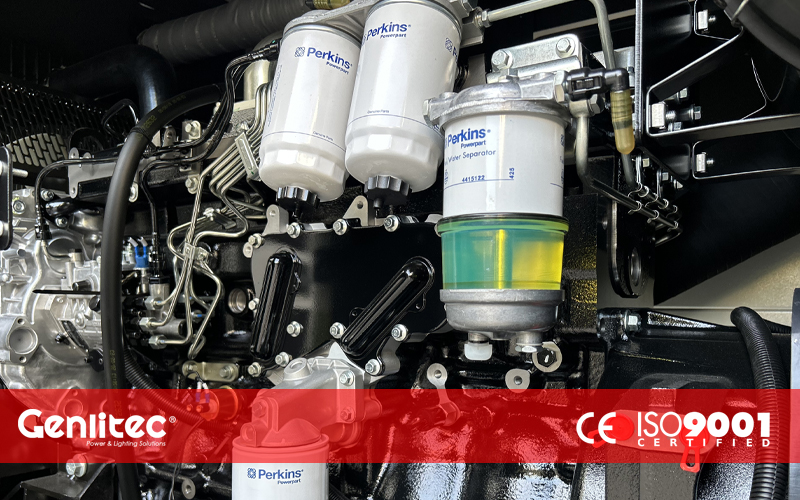
If the generator is equipped with a manual fuel priming pump, operate the pump until diesel flows continuously without visible air bubbles from the designated bleed point or return line.
2. Open the Appropriate Bleed Point
For engines equipped with fuel system bleed screws, follow the engine manufacturer's procedure to release trapped air from the fuel filter or injection system. Once air-free fuel is present, tighten the bleed screw securely.
3. Check All Fuel Connections
Inspect the fuel hoses, fittings, filter connections, and other accessible fuel-line joints. Make sure all connections are properly tightened and there are no signs of fuel leakage or air ingress.
4. Crank the Engine Briefly if Required
If the engine still does not start after priming, a short cranking attempt may help remove remaining air from the fuel system. Avoid prolonged or repeated dry cranking, as excessive cranking can place unnecessary load on the starter motor and batteries.
Important Note
Fuel bleeding procedures vary between diesel engine models. Always follow the specific engine manufacturer's instructions for the correct bleeding points and priming procedure.
If the generator still fails to start after the fuel system has been properly primed and bled, further checks should be carried out on the fuel supply, battery voltage, starter system, engine control system, and other relevant components.
Post time: Mar-05-2025